
Wedding Flowers 101
Wedding Flowers 101: Everything You Need to Know Before Choosing Your Wedding Flowers
Wedding flowers are one of those details that can completely transform a wedding. From the bridal bouquet to the ceremony backdrop and reception centerpieces, flowers help establish the atmosphere, bring color into your design, and tie everything together.
But if you’ve never planned a wedding before, figuring out what flowers you need, how much to spend, or even where to start can feel a little overwhelming. The good news? You don’t need to know the names of every flower or have a degree in floral design to make great choices.
Here’s your beginner’s guide to wedding flowers, including what you need to know, how to choose the right arrangements, and how to get the most out of your floral budget.
1. Start With Your Overall Wedding Style
Before choosing individual flowers, think about the overall look and feel you want for your wedding.
Are you envisioning something romantic and garden-inspired? Modern and minimal? Classic and elegant? Bold and colorful?
Your floral design should complement your wedding style rather than compete with it. Start by collecting inspiration photos of weddings, bouquets, color palettes, and arrangements you love. Pinterest is a great place to start!
Don’t worry about identifying specific flowers just yet. Focus on the colors, shapes, textures, and overall feeling that appeal to you. These examples will help your florist understand your vision.
2. What Wedding Flowers Do You Actually Need?
There are more floral possibilities than most couples realize, but that doesn’t mean you need all of them. Here are some of the most common wedding flower arrangements:
Personal Flowers
- Bridal bouquet
- Bridesmaid bouquets
- Boutonnieres for the wedding party
- Corsages for parents and special guests
- Flower girl petals, baskets, or floral accessories
Ceremony Flowers
- Altar or arch arrangements
- Aisle flowers or arrangements
- Welcome sign flowers
- Floral installations or statement backdrops
Reception Flowers
- Guest table centerpieces
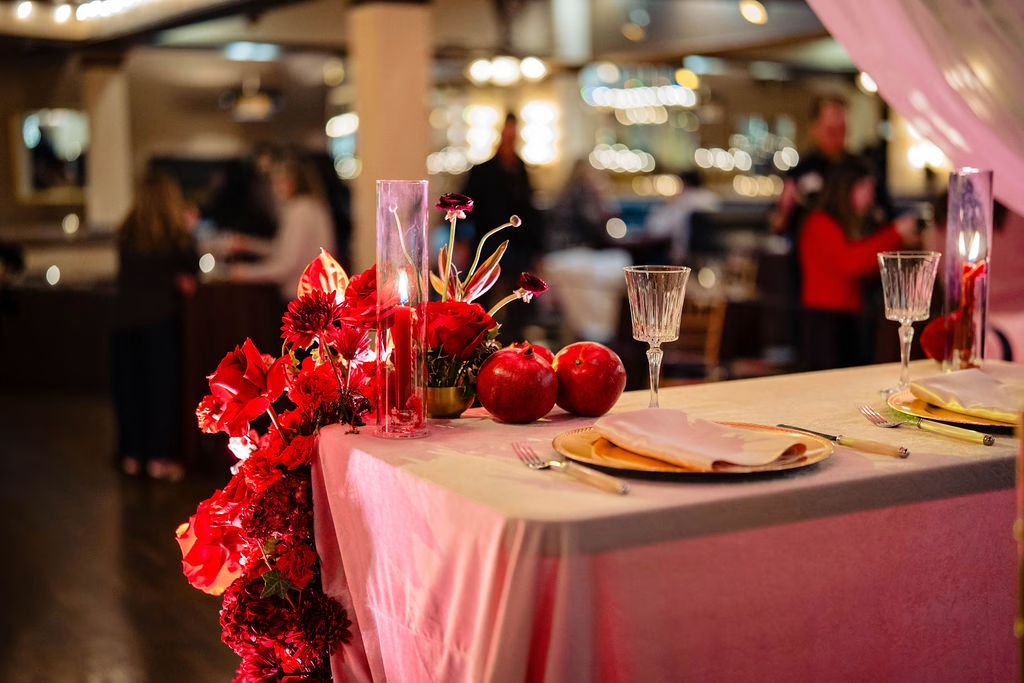
- Sweetheart or head table arrangements
- Bar arrangements
- Cake flowers
- Welcome table or seating chart arrangements
You can choose as many or as few of these as you like. If your budget is limited, focus on the areas that will have the biggest visual impact. A beautiful ceremony backdrop or a few statement reception arrangements can go a long way.
3. Understand Seasonal Flowers
One of the biggest factors affecting wedding flower availability and cost is the season.
Some flowers are available year-round, while others are more difficult or expensive to source at certain times of the year. Choosing flowers that are naturally in season can often give you more options for your budget.
For example:
- Spring: Tulips, ranunculus, sweet peas, and lilacs.
- Summer: Dahlias, garden roses, delphinium, and sunflowers.
- Fall: Chrysanthemums, dahlias, celosia, and marigolds.
- Winter: Amaryllis, anemones, hellebores, and evergreen foliage.
Keep in mind that flower availability varies by location and growing conditions. Your florist can help you find beautiful alternatives if your favorite flower isn’t available.
And don’t feel like you have to use only seasonal flowers! A good florist can suggest substitutions that maintain the colors and overall look you’re going for. And if you’re clueless about flowers, just telling your florist about your style, and showing some photos of other weddings that appeal to you, is more than enough.
4. How Much Should You Budget for Wedding Flowers?
Wedding flowers can range from a few simple bouquets to elaborate installations covering an entire venue. Your budget will depend on the number and size of arrangements, the types of flowers you choose, the season, and the amount of labor involved.
When creating your floral budget, remember that you’re paying for more than just the flowers themselves. Costs may include:
- Flowers and greenery
- Vases, containers, and other decorative materials
- Floral design and arrangement labor
- Delivery and setup
- Installation and breakdown of larger arrangements
- Disposal and cleanup
If you’re trying to save money, consider prioritizing a few statement pieces instead of filling every available surface with flowers.
You can also ask your florist about repurposing ceremony arrangements at the reception. For example, flowers used to decorate your ceremony backdrop may be moved to the sweetheart table or another focal point afterward.
5. Choose Colors and Flowers That Work Together
You don’t need to select every flower individually. In fact, it’s often better to give your florist some creative freedom! However, if you really want to be hands on….
Start with your wedding color palette and identify two or three primary colors. Then consider adding complementary accent colors, greenery, and different textures.
A beautiful arrangement isn’t necessarily made up of matching flowers. Combining different sizes, shapes, and textures creates depth and visual interest.
For example, pairing large garden roses with delicate filler flowers, textured greenery, and trailing elements can create a much more interesting arrangement than using just one type of flower.
Also, think about how your flowers will look alongside your venue, linens, table settings, and other décor. Everything should work together to create a cohesive design. Be sure to share those details with your florist, if you’re not using an in-house floral designer!
6. Be Flexible With Your Flower Choices
It’s easy to fall in love with a particular flower after seeing it in a wedding photo. But requesting specific varieties, especially those that are out of season or difficult to source, can increase your costs.
Instead of insisting on a specific flower, share inspiration photos and describe what you like about them.
Is it the soft blush color? The full, romantic shape? The loose, organic arrangement?
Your florist can often recreate the overall look using different flowers that are more readily available or affordable.
A little flexibility can make a big difference in both your budget and your final design.
7. Choose the Right Wedding Florist
Your florist is more than someone who puts flowers in vases. They’re a design professional who can help bring your vision to life.
When researching florists, look at their portfolios to see whether their style aligns with yours. Some specialize in structured, traditional arrangements, while others prefer loose, organic, or dramatic floral installations. A portfolio might be their website, their Instagram, or other social platform.
During your consultation, be prepared to discuss:
- Your wedding date and venue
- Your estimated floral budget
- Your color palette and overall wedding style
- Which arrangements are most important to you
- Any flowers you love or absolutely don’t want
- Delivery, setup, and breakdown requirements
Ask what’s included in their pricing and whether they provide vases, containers, installation, and teardown.
Most importantly, choose someone who listens to your ideas, communicates clearly, and understands your priorities.
8. Don’t Forget About the Venue!
Your venue plays a big role in determining how much floral décor you actually need.
A venue with beautiful architecture, dramatic lighting, or existing decorative features may need fewer flowers to feel complete. On the other hand, a more minimal space may benefit from larger floral installations or additional décor.
Think about the areas your guests will notice most. Where will they spend their time? Where will they take photos? What will be the focal point of the room?
You may find that a few thoughtfully placed arrangements make a bigger impact than dozens of smaller ones.
9. When Should You Book Your Wedding Florist?
It’s a good idea to start researching florists about 9–12 months before your wedding, particularly if you’re getting married during a busy wedding season.
Once you’ve chosen your florist, they’ll typically work with you to develop your floral design, confirm arrangements, and finalize details closer to the wedding date.
Don’t worry if you haven’t made every decision before your first consultation. Having your date, venue, approximate budget, and a general idea of your style is usually enough to get the conversation started.
Final Thoughts: Your Wedding Flowers Should Feel Like You
At the end of the day, your wedding flowers don’t need to follow every trend or look exactly like something you’ve seen on Pinterest. They should reflect your personality, complement your wedding style, and help create an atmosphere you love.
Start with the overall vision, establish your priorities, and work with a florist who understands what you’re trying to accomplish. Whether you choose a few simple bouquets or an extravagant floral installation, the best wedding flowers are the ones that make your celebration feel uniquely yours.
Other helpful articles:
- Wedding Ceremony Planning & Timeline Tips for a Stress-Free Wedding Day
- Choosing a Wedding Color Palette (Without Overthinking It)
- Build a Realistic Wedding Budget
- Indoor or Outdoor Wedding?

Danielle is one half of the wife-and-wife duo that owns and operates Imperia Lake Union. However, the employees and staff at Imperia Lake Union are what make Imperia a truly inclusive and spectacular venue to be experienced. These articles are based on her, and her staff’s, experience and expertise.